
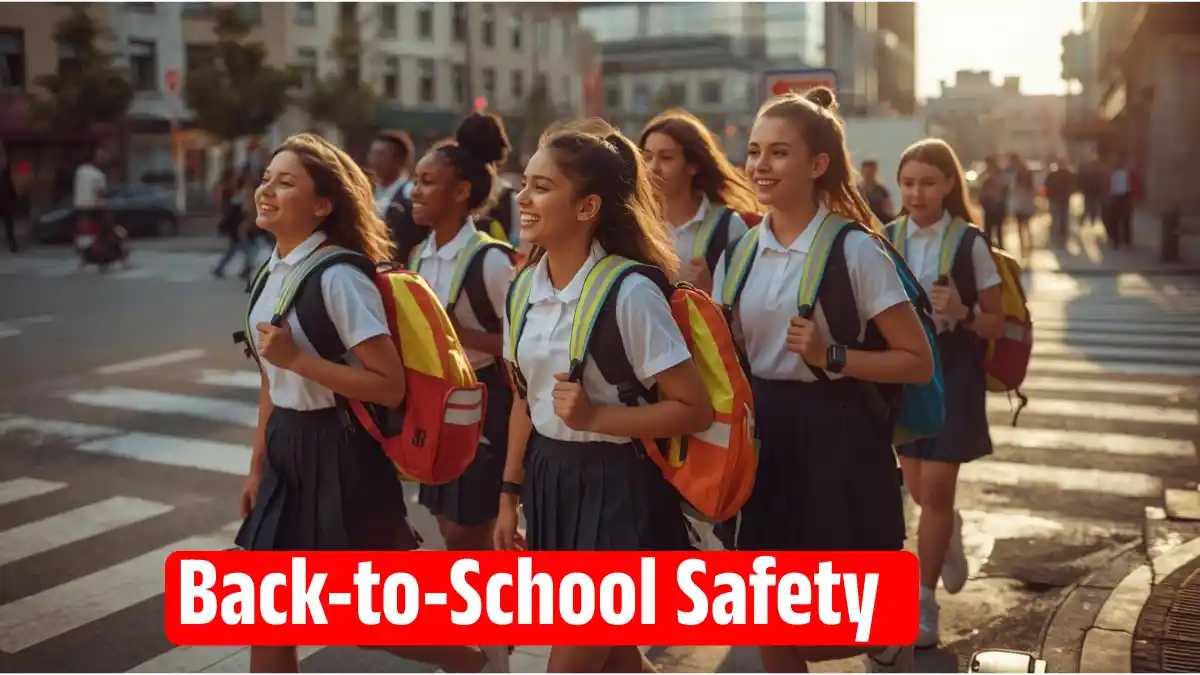
Back-to-School Safety As the new school year kicks off in 2026, families across the globe are gearing up for a fresh start filled with learning, friendships, and growth. But amid the excitement, safety remains paramount. This comprehensive guide offers practical advice and essential gear recommendations to ensure every student—from kindergarteners to high schoolers—navigates the school day with confidence and security. Drawing from the latest expert insights and real-world scenarios, we’ll cover everything from personal protection to digital vigilance. Whether you’re a parent, teacher, or student, these tips will help foster a safer educational environment.
Introduction: Why School Safety Awareness is the Top Priority for Parents and Schools in 2026
In 2026, the landscape of education has evolved dramatically, influenced by ongoing advancements in technology, heightened awareness from global health events, and increasing concerns about environmental and social challenges. Parents and schools are prioritizing safety more than ever, recognizing that a secure environment is foundational to effective learning. According to recent reports from organizations like the National Safety Council, incidents related to commuting, cyber threats, and health issues in schools have underscored the need for proactive measures.
Why is this so crucial now? Post-pandemic, there’s a renewed focus on holistic well-being, blending physical, digital, and emotional safety. With hybrid learning models still prevalent and AI-integrated classrooms becoming standard, students face new risks alongside traditional ones. For instance, urban areas report a 15% rise in pedestrian accidents involving schoolchildren, while online bullying affects one in five teens. Schools are responding with updated protocols, but empowering families with knowledge is key. This guide reassures you that with the right tips and gear, you can mitigate these risks, allowing students to thrive without fear. Let’s dive into the essentials, starting with personal safety gear that acts as a first line of defense.
Personal Safety Gear: Essential Items for Everyday Protection Back-to-School Safety
Equipping students with the right personal safety gear is like giving them a invisible shield—practical, unobtrusive, and potentially life-saving. In 2026, innovations in wearable tech have made these items more accessible and effective. Focus on gear that’s age-appropriate, durable, and easy to use, ensuring it becomes a natural part of the daily routine.
Personal Safety Alarms
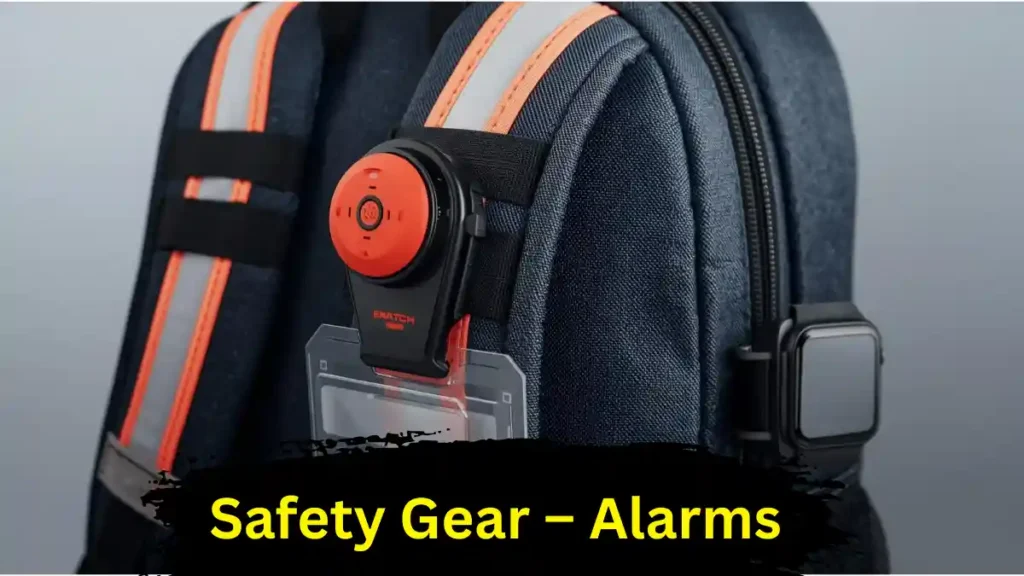
A compact personal safety alarm is a must-have for students of all ages. These devices, often keychain-sized, emit a loud siren (up to 130 decibels) when activated, drawing immediate attention in emergencies like stranger danger or getting lost.
- Why it’s essential: It empowers even young children to signal for help without relying on verbal communication.
- Top picks for 2026: Look for models like the Birdie Personal Safety Alarm, which includes a strobe light and integrates with smartphone apps for GPS tracking. Priced around $30, it’s rechargeable via USB-C.
- Tips for use: Teach kids to attach it to their backpack and practice pulling the pin in safe scenarios. For older students, opt for app-linked versions that notify parents via text.
Reflective Gear for Visibility
For students who walk or bike to school, visibility is critical, especially during shorter daylight hours in fall and winter. Reflective gear ensures they’re seen by drivers, reducing accident risks by up to 85%, per traffic safety studies.
- Key items: Reflective vests, backpack strips, or clip-on LED lights. Brands like Amphipod offer high-visibility armbands that flash in multiple colors.
- Practical advice: Choose weather-resistant materials. For younger kids, fun designs like glow-in-the-dark dinosaur patches make compliance easier.
- Integration tip: Pair with school uniforms or bags—many backpacks now come with built-in reflective panels.
ID Tags and Wearables
Identification gear provides peace of mind in crowded or unfamiliar settings. Modern ID tags go beyond basic name tags, incorporating QR codes for quick access to emergency info.
- Recommendations: Waterproof ID bracelets from Road ID, customizable with allergies, blood type, and contact numbers. For tech-savvy families, consider smartwatches like the Gizmo Watch, which includes SOS buttons and location sharing.
- Best practices: Update info annually and ensure tags are discreet to avoid privacy issues. For elementary students, use fun, themed tags to encourage wearing them.
By investing in these items—totaling under $100 for a basic kit—parents can significantly enhance their child’s personal security without overwhelming them.
Digital Safety: Navigating the Online World Securely
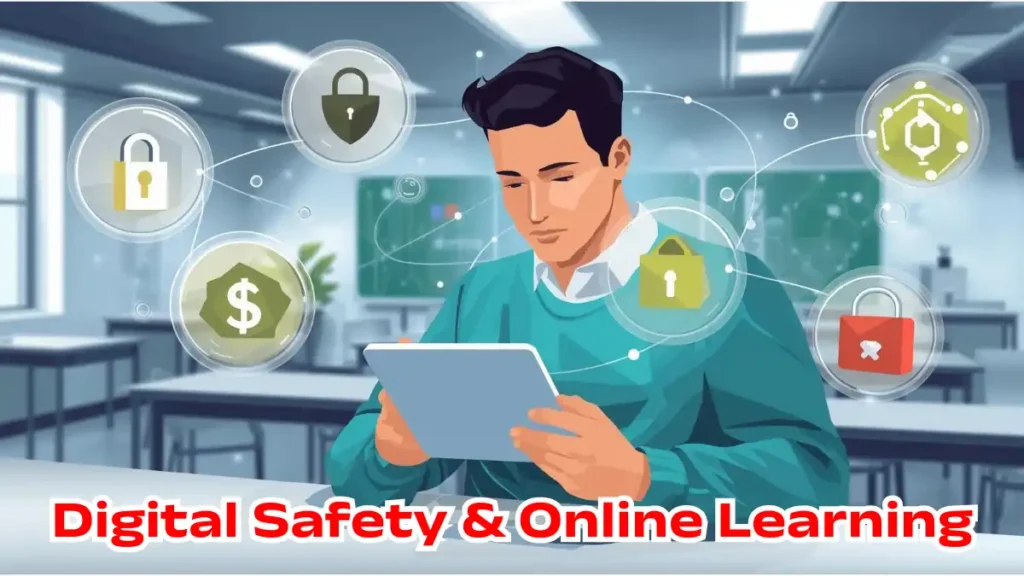
In 2026, digital tools are integral to education, from interactive tablets to virtual classrooms. However, this connectivity brings risks like cyberbullying, data breaches, and misinformation. Authoritative bodies like Common Sense Media emphasize teaching digital literacy early to build resilient online habits.
Protecting Personal Information
Students must understand the value of their data. Start with basics: Never share passwords, addresses, or photos without permission.
- Tips: Use strong, unique passwords (at least 12 characters with symbols) and enable two-factor authentication on school accounts. Apps like LastPass for families can manage this securely.
- Gear recommendation: Privacy-focused screen protectors for tablets to prevent shoulder surfing in class.
read also : The 10 Best Rolling Backpacks for Students in 2026: Carry Your Gear with Ease
Staying Safe Online and on Social Media
With AI-driven social platforms, risks evolve quickly. Encourage open discussions about online interactions.
- Key strategies: Set screen time limits using built-in device features. Teach recognition of phishing emails—look for suspicious links or urgent language.
- For school tablets: Advise using only approved apps and reporting suspicious pop-ups immediately. Parental controls on devices like iPads can block inappropriate content.
- Combating cyberbullying: If targeted, save evidence and report to school authorities. Resources like StopBullying.gov offer free guides.
Educational Tools for Digital Awareness
Incorporate fun learning: Games like Google’s Interland teach safe browsing through adventures.
By fostering these habits, students gain confidence in the digital realm, turning potential vulnerabilities into strengths.
Commuting Safely: Tips for Bus, Walk, and Bike Riders
Commuting to school is a daily adventure, but it comes with hazards. In 2026, with electric vehicles and smart traffic systems on the rise, tailored safety tips are vital. The American Academy of Pediatrics recommends age-specific guidelines to prevent injuries.
Bus Rider Safety
For the millions relying on school buses, proper etiquette saves lives.
- Essential tips: Wait at designated stops, board single-file, and remain seated. Use handrails and avoid distracting the driver.
- Gear: Bright backpacks with reflective strips for visibility at stops.
- Pro tip: Teach kids to stay 10 feet away from the bus until it stops completely.
Walking to School
Pedestrian safety is crucial in busy neighborhoods.
- Guidelines: Use sidewalks, cross at marked areas, and make eye contact with drivers. Avoid headphones to stay alert.
- Gear must-haves: Sturdy, comfortable shoes and a whistle for emergencies.
- Group walking: Encourage “walking school buses” where adults supervise groups.
Bike Riding Precautions
Cycling promotes health but requires vigilance.
- Helmet safety: Always wear a properly fitted helmet—models like Bell’s MIPS-equipped ones reduce concussion risks by 60%.
- Rules of the road: Ride with traffic, use hand signals, and install bike lights for low-visibility conditions.
- Maintenance tip: Check brakes and tires weekly; apps like Bike Doctor guide simple repairs.
These practices, combined with community awareness, make commuting a safe start to the day.
Health & Hygiene: Staying Germ-Free in Shared Spaces
Post-2020, health protocols are embedded in school life. In 2026, with new variants and crowded classrooms, simple hygiene habits prevent outbreaks, as advised by the CDC.
- Hand hygiene: Wash hands for 20 seconds before eating or after recess. Carry alcohol-based sanitizer (60%+ alcohol) in backpacks.
- Masking and ventilation: If illness rates rise, reusable masks with filters are handy. Encourage opening windows for fresh air.
- Shared space tips: Wipe down desks with disinfectant wipes; avoid sharing food or drinks.
- Gear: Portable UV sanitizers for phones and water bottles kill 99% of germs quickly.
- Nutrition boost: Pack immune-supporting snacks like fruits to maintain overall health.
These quick routines keep students healthy and focused on learning.
Emergency Preparedness: Responding to Drills and Keeping Contacts Handy
Schools conduct regular drills for fires, lockdowns, and natural disasters—preparation that’s more critical in 2026 with climate uncertainties.
- Drill participation: Treat every drill seriously; know evacuation routes and assembly points.
- Emergency contacts: Store numbers in phones and on laminated cards in backpacks. Apps like Red Cross Emergency provide real-time alerts.
- Response strategies: In active threats, follow “Run, Hide, Fight.” For medical emergencies, basic first-aid knowledge (e.g., CPR basics) is empowering.
- Gear: A small first-aid kit with bandages, antiseptics, and medications for allergies.
Building these skills instills calm and readiness.
Conclusion: Empowering Students to Feel Confident and Safe at School
As we wrap up this 2026 Back-to-School Safety Guide, remember that safety is a shared responsibility. By incorporating these tips and gear—from alarms and helmets to digital savvy and hygiene habits—students can approach the year with assurance. Parents, collaborate with schools; students, speak up about concerns. Ultimately, a safe school experience fosters not just academic success but lifelong resilience. Here’s to a secure, successful year ahead!