
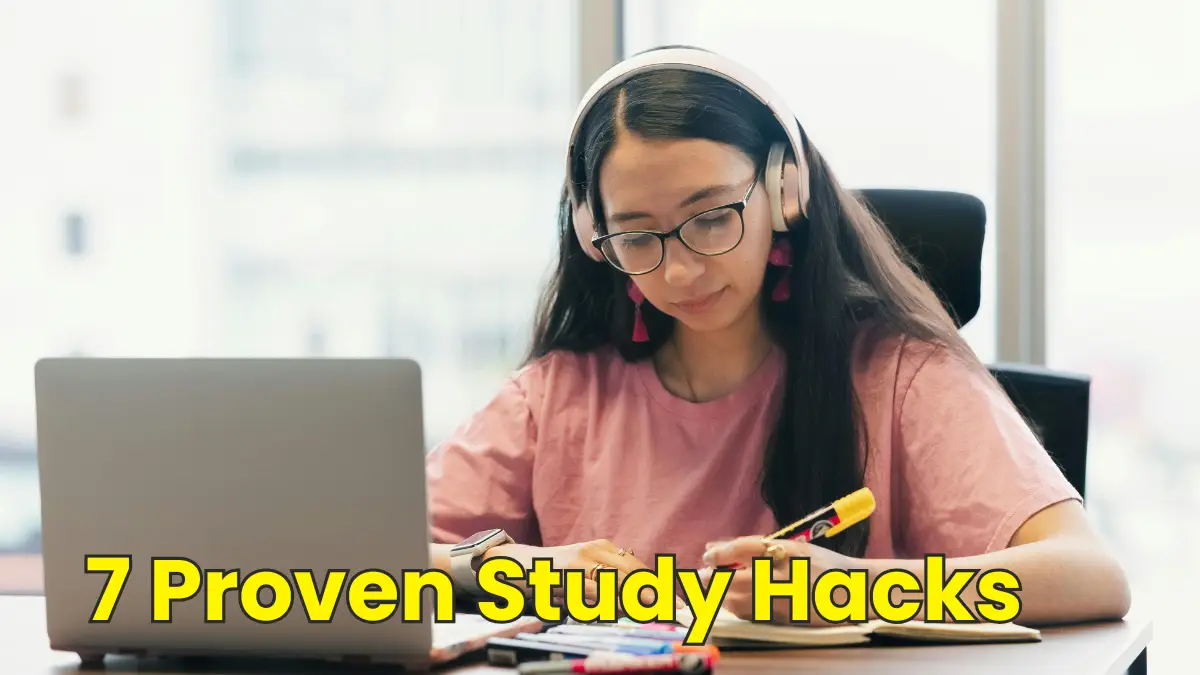
7 Proven Study Hacks Hey there, freshman or whoever’s reading this—welcome to the wild ride that is college life. I’m that upperclassman who’s been through the all-nighters, the caffeine crashes, and the triumphant A’s that make it all worth it. If you’re staring down a syllabus that looks like a novel and wondering how you’ll survive the semester, I’ve got your back. In 2026, with AI tools and hybrid classes everywhere, studying smarter is key to nailing that GPA without burning out. This article breaks down seven proven study hacks that’ll help you master your semester. These aren’t just theories; they’re battle-tested tips from real college students like us. Let’s dive in and turn that overwhelm into overachievement.
read also : Back-to-School Safety Guide 2026: Essential Tips and Gear for Every Student
Study Hacks #1: Crush Long Sessions with the Pomodoro Technique
Remember those marathon study sessions where you zone out after 20 minutes? Yeah, we’ve all been there. That’s where the Pomodoro Technique shines—it’s like a secret weapon for maintaining focus without frying your brain. Developed by Francesco Cirillo back in the ’80s, it’s super simple: work for 25 minutes straight, then take a 5-minute break. After four cycles, reward yourself with a longer 15-30 minute breather.
Why is this a favorite for crushing those epic study marathons? It plays into how our brains work—short bursts keep you sharp and prevent burnout. In 2026, with distractions like TikTok notifications pinging every second, Pomodoro forces you to lock in. I started using it during my sophomore year for bio exams, and my retention skyrocketed.
To get started:
- Set a timer: Use your phone’s built-in one or apps like Focus Booster.
- Track your pomodoros: Jot down what you accomplished in each session to build momentum.
- Customize it: If 25 minutes feels too short for deep dives like coding assignments, stretch it to 50—but keep the breaks sacred.
Pro tip: Pair it with a playlist of lo-fi beats to make those sessions feel less like a chore. Trust me, once you hit that flow state, you’ll wonder how you ever studied without it.
Study Hacks #2: Boost Retention with Active Recall and Spaced Repetition
Passive reading? That’s so last decade. If you want info to stick for midterms and finals, lean into active recall and spaced repetition. Active recall means testing yourself instead of just rereading notes—think flashcards where you quiz the definition before flipping to the answer. Spaced repetition takes it up a notch by reviewing material at increasing intervals, so your brain reinforces it just as you’re about to forget.
Apps like Anki or Quizlet make this effortless and are huge hits among US college students. Anki uses algorithms to space out your reviews automatically, while Quizlet offers gamified modes with leaderboards to keep things fun. I used Quizlet for my psych classes, turning boring vocab into a competitive streak that bumped my grades.

Here’s how to implement it:
- Build your deck: Input key concepts from lectures—questions on one side, answers on the other.
- Daily reviews: Spend 15-20 minutes a day; the apps handle the scheduling.
- Mix it up: Combine with group quizzes for that extra accountability.
Studies from places like Harvard show this duo can double your long-term retention. In a world of info overload, it’s your edge for acing those cumulative finals.
Study Hacks #3: Get Organized Digitally with Notion or Google Calendar
Paper planners are cute, but let’s be real—they get lost under pizza boxes in your dorm. Enter digital organization tools like Notion or Google Calendar, which are lifesavers for tracking syllabi, assignments, and that random group project deadline. Notion is like a customizable wiki for your life: create databases for classes, embed to-do lists, and even link lecture notes. Google Calendar syncs everything to your phone, with color-coded events and reminders that ping you before you forget.
As an upperclassman, I swear by Notion for mapping out my semester. It turned my chaotic schedule into a streamlined beast, freeing up mental space for actual learning.

Tips to make it work:
- Syllabus breakdown: At the start of the term, input all due dates and exam weeks.
- Integration magic: Link Google Calendar to Notion for seamless updates.
- Weekly reviews: Sunday nights, scan for the week ahead and adjust as needed.
In 2026, with virtual classes and AI-assisted scheduling, these tools aren’t optional—they’re essential for staying on top without the stress.
Study Hacks #4: Harness the Power of Body Doubling
Ever notice how you get more done when someone’s around, even if they’re not helping? That’s body doubling, a trend exploding on campuses thanks to ADHD awareness and remote learning. It’s basically studying in the presence of others to boost focus—your brain tricks itself into productivity mode because it feels observed.
Try it with friends in the library stacks or via “Study with Me” YouTube videos, where creators film themselves studying in real-time (no talking, just ambient vibes). Channels like TheStrive Studies have millions of views for a reason—they simulate that coffee shop buzz from your laptop.
I discovered this during junior year finals; popping on a video made solo sessions way less isolating.
- Group sessions: Schedule weekly study dates with roommates—set ground rules like no chit-chat until breaks.
- Virtual options: Join Discord study servers or Zoom with classmates.
- Accountability boost: Share goals at the start to keep everyone motivated.
It’s not about copying work; it’s about that subtle peer pressure turning procrastination into progress.
Study Hacks #5: Optimize Your Dorm Office Setup
Your dorm room isn’t just for Netflix binges—it’s your command center. Optimizing your “dorm office” can make or break your study game. Start with noise-canceling headphones to block out hallway chaos; brands like Bose or Sony are worth the splurge for immersive focus. Then, think ergonomics: a cheap desk riser or lumbar pillow prevents that dreaded backache from hours hunched over your laptop.
In 2026, with more online resources, a solid setup means better efficiency. I upgraded mine with a standing desk converter, and my energy levels during late-night crams improved big time.
Key upgrades:
- Lighting matters: Add a desk lamp with natural light modes to reduce eye strain.
- Tech tweaks: Use a second monitor if possible, or apps like f.lux to adjust screen warmth.
- Zone it out: Designate a “study corner” away from your bed to signal brain: time to work.
Invest a little upfront, and you’ll save hours lost to discomfort.
Study Hacks #6: Prioritize Healthy Habits for Peak Performance
All the hacks in the world won’t help if you’re running on fumes. Healthy habits, especially getting enough Zzz’s, are directly linked to your GPA. Research from the American Academy of Sleep Medicine shows college students who sleep 7-9 hours nightly score higher—sleep consolidates memories and sharpens focus.
But it’s more than sleep: fuel up with balanced meals, sneak in walks between classes, and hydrate like it’s your job. I learned the hard way after a semester of ramen-fueled all-nighters; prioritizing rest turned my C’s into A’s.
Simple steps:
- Sleep schedule: Aim for consistent bedtimes, even on weekends.
- Quick wins: Power naps (under 20 minutes) or meditation apps like Headspace.
- Balance check: Track how habits affect your mood and grades in a journal.
Remember, college is a marathon—treat your body right, and it’ll carry you through.
7 Proven Study Hacks Conclusion: Finding Balance in the Chaos
7 Proven Study Hacks Wrapping this up, mastering your semester in 2026 boils down to these seven hacks: Pomodoro for focus, active recall for retention, digital tools for organization, body doubling for motivation, a dialed-in dorm setup, and healthy habits to sustain it all. But here’s the real talk—college isn’t just about the grades. It’s about the late-night laughs, club meetings, and figuring out who you are.
Experiment with these tips, tweak what doesn’t fit, and don’t forget to carve out time for fun. Hit up that campus event or grab coffee with friends; a balanced life fuels better academics. You’ve got this—go crush that semester and make it your best one yet.