
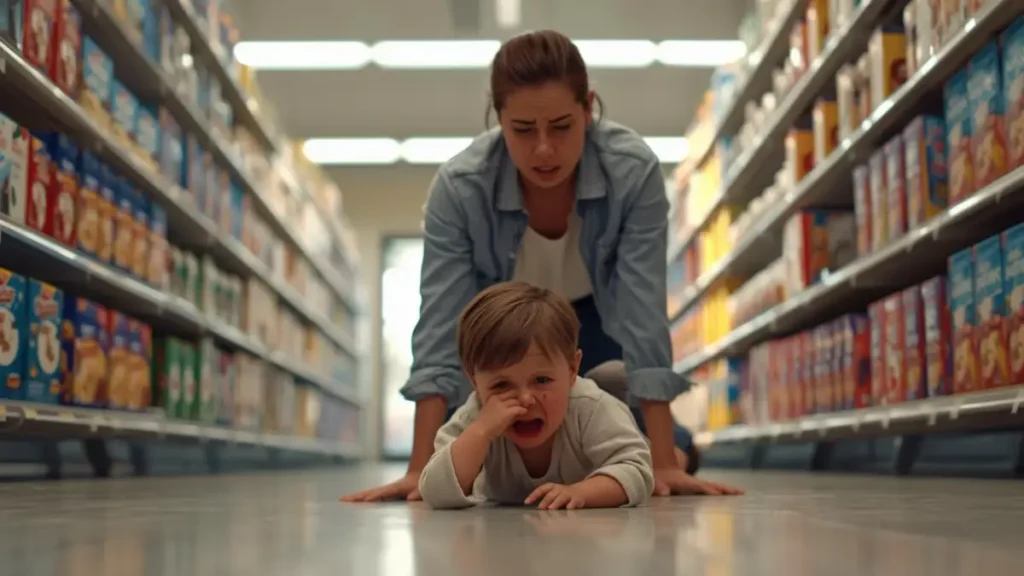
how to handle child tantrums Hey there, fellow parent. Remember that time in the grocery store when your little one decided the cereal aisle was the perfect spot for a full-blown meltdown? You’re juggling bags, trying to ignore the stares from other shoppers, and wondering if you’ll ever make it to the checkout without losing your cool. I’ve been there – as a mom of two preschoolers myself, and someone who’s spent years diving into child psychology as a parenting coach. Tantrums are one of those universal parenting rites of passage, especially with toddlers and preschool kids. But here’s the good news: learning how to handle child tantrums doesn’t have to involve timeouts, spankings, or any kind of punishment. In fact, science shows us that there’s a better way, one that builds stronger emotional bonds and sets your child up for long-term success.
In this guide, we’ll walk through some practical, science-based parenting strategies that focus on understanding and empathy rather than control. Whether you’re dealing with a two-year-old’s epic floor-flopping or a four-year-old’s dramatic negotiations, these tips can help. We’ll cover why tantrums happen, why punishment often backfires, and step-by-step ways to manage them. Plus, I’ll share some common pitfalls to avoid and when it might be time to chat with a pro. Let’s turn those tough moments into opportunities for growth – for both you and your kiddo.
Why Do Children Throw Tantrums? A Simple Look at the Science
First things first: tantrums aren’t your child being “bad” or trying to manipulate you. They’re a normal part of development, especially between ages one and five when kids are figuring out the world. Think about it – your toddler’s brain is like a construction zone. The prefrontal cortex, that part responsible for impulse control and emotional regulation, isn’t fully wired yet. According to child development experts from the American Academy of Pediatrics, this means kids often feel big emotions but lack the tools to express them calmly.
Imagine this: It’s a busy afternoon at the park, and your three-year-old spots an ice cream truck. They want a cone right now, but you’ve got dinner plans. When you say no, their frustration bubbles over into screams and tears. What’s happening? Psychologists like Dr. Daniel Siegel explain it through “upstairs” and “downstairs” brain theory. The downstairs brain (emotions and instincts) takes over, flipping the lid on rational thinking. Hunger, tiredness, or overstimulation can trigger this, turning a simple “no” into a storm.
For preschoolers, tantrums might stem from wanting independence – “I do it myself!” – clashing with their still-limited skills. It’s not defiance; it’s their way of communicating unmet needs. Understanding this shifts our mindset from frustration to compassion, making child tantrum management feel less like a battle and more like a teaching moment.
Why Punishment Makes Tantrums Worse in the Long Run How to Handle Child Tantrums
We’ve all been tempted to yell or send a kid to their room during a meltdown. But let’s talk about why that approach, rooted in old-school discipline, often does more harm than good. Punishment might stop the tantrum in the moment, but research from places like the Journal of Child Psychology and Psychiatry shows it doesn’t teach kids how to handle emotions. Instead, it can amp up anxiety and lead to more frequent outbursts down the line.
read also : The Best Homeschool Supplies 2026: Setting Up Your Home Classroom for Success
Picture this scenario: Your toddler throws a fit over screen time ending. You respond with a stern “Go to your room!” They comply, but inside, they’re learning that big feelings are something to hide or fear. Over time, this suppression can erode trust in the parent-child relationship. Studies on positive parenting techniques highlight that punishment focuses on behavior control rather than emotional understanding, which means kids might rebel more as they grow, turning small tantrums into bigger power struggles in the teen years.

Worse yet, it models poor emotional regulation. If we lose our temper, we’re showing them that’s how to deal with stress. Science-based parenting emphasizes connection over correction – when we punish, we miss the chance to help them name and process those overwhelming feelings, stunting their emotional development.
Science-Backed Steps to Handle Tantrums Effectively
So, if punishment is out, what’s in? Here are some proven, step-by-step strategies drawn from experts in developmental psychology. These aren’t quick fixes but tools for building resilience. The key is consistency and patience – it might feel awkward at first, but stick with it.
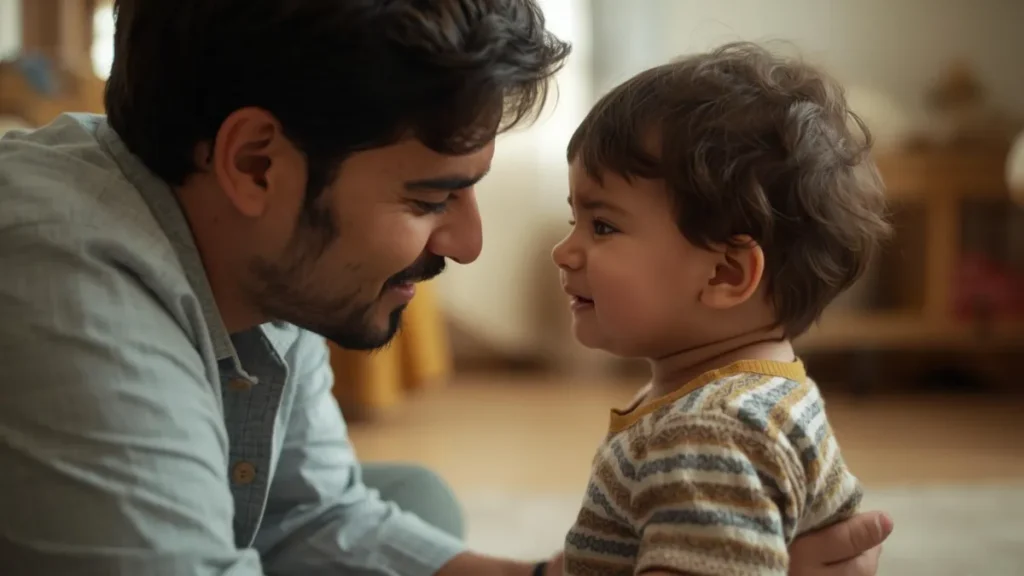
Start by staying calm yourself. Your steady presence is like an anchor in their emotional storm. Take a deep breath, get down to their level, and acknowledge their feelings: “I see you’re really upset about not getting that toy. It’s okay to feel mad.” This validation, backed by emotion-coaching research from Dr. John Gottman, helps kids feel heard and reduces the tantrum’s intensity.
Next, set clear boundaries without wavering. If it’s a no, make it a firm but kind no. For example, during a shopping trip meltdown over candy, say, “We’re not buying sweets today, but we can pick out some fruit together.” This teaches limits while offering a positive alternative. Child tantrum management pros recommend “active ignoring” for non-dangerous behaviors – turn away calmly, avoiding eye contact or reaction until they settle. It sounds tough, but it works because tantrums thrive on attention; without an audience, they fizzle out faster.
Once the storm passes, reconnect and teach. Sit with them and talk simply: “When you’re angry, you can take deep breaths like this.” Model belly breathing or use a calm-down corner with soft toys. Parenting tips for toddlers often include preventive measures too – spot triggers like fatigue and head them off with routines or snacks.
Finally, praise the good stuff. After they calm down, say, “I’m proud of how you took those breaths.” Positive reinforcement from behavioral science encourages repeat calm behaviors, fostering long-term emotional skills.
Common Parenting Mistakes to Watch Out For
Even with the best intentions, we all slip up. One big mistake is giving in to end the embarrassment, like buying that toy in the store just to hush things up. It feels like a win in the moment, but it reinforces the tantrum as a successful strategy. Another is over-explaining during the meltdown – kids in tantrum mode aren’t ready for logic; save the talks for later.

Yelling back is a common trap too. It escalates things and teaches them that shouting gets results. Or, bribing with promises like “Stop crying and I’ll get you ice cream.” This might buy peace short-term, but it creates a cycle of expecting rewards for basic behavior. Science-based parenting warns against these because they undermine intrinsic motivation and emotional growth.
I’ve seen parents ignore safety – if a tantrum involves hitting or running into danger, intervene gently but firmly, like holding their hands and saying, “I won’t let you hurt yourself or others.”
Modern Parenting Trends in the US: Embracing Gentle Approaches
In today’s US parenting scene, there’s a shift toward gentler methods, influenced by books like “The Whole-Brain Child” and movements like mindful parenting. More families are ditching punishment for connection-based strategies, especially post-pandemic when mental health took center stage. Apps like Calm or Headspace now offer kid-friendly meditations, and schools incorporate social-emotional learning.
Positive parenting techniques are gaining traction through online communities like Reddit’s r/Parenting or Instagram influencers sharing real stories. In cities like Seattle or Austin, playgroups focus on emotion coaching, reflecting a cultural move toward raising empathetic kids. It’s not about being perfect; it’s about progress, aligning with research showing these trends lead to happier, more resilient families.
When to Seek Professional Help
Most tantrums are normal, but sometimes they signal more. If your child’s outbursts are daily, last over 30 minutes, involve self-harm, or persist past age five, it might be worth consulting a pediatrician or child therapist. Conditions like sensory processing issues or ADHD can play a role – not as a diagnosis from me, but something to discuss with experts.
In the US, resources like your local pediatric clinic or organizations such as Zero to Three can guide you. Early intervention supports emotional development without stigma; it’s a sign of strong parenting to ask for help when needed.
Wrapping It Up: You’re Doing Great, and It Gets Better
Handling child tantrums without punishment isn’t always easy – there will be messy days and moments you question everything. But by leaning into science-based parenting, you’re investing in your child’s emotional future. They’ll learn to navigate feelings, build self-control, and trust you as their safe harbor. Remember that park ice cream meltdown? With time and these tools, those become fewer, turning into proud stories of growth.
You’re not alone in this; every parent has been there. Keep showing up with empathy, and watch your little one blossom. If you’ve got a tantrum tale or tip, share in the comments – we’d love to hear. Here’s to calmer days ahead.