
Best Homeschool Supplies 2026 Homeschooling has surged in popularity over the past few years, with statistics showing a 12% increase in adoption during 2025 alone. As families seek more personalized, flexible education options amid evolving work-life balances and educational trends, homeschooling offers a tailored approach that adapts to each child’s unique needs. In 2026, trends like AI integration, project-based learning, and hybrid models blending online and hands-on activities are making homeschooling more accessible and effective than ever.
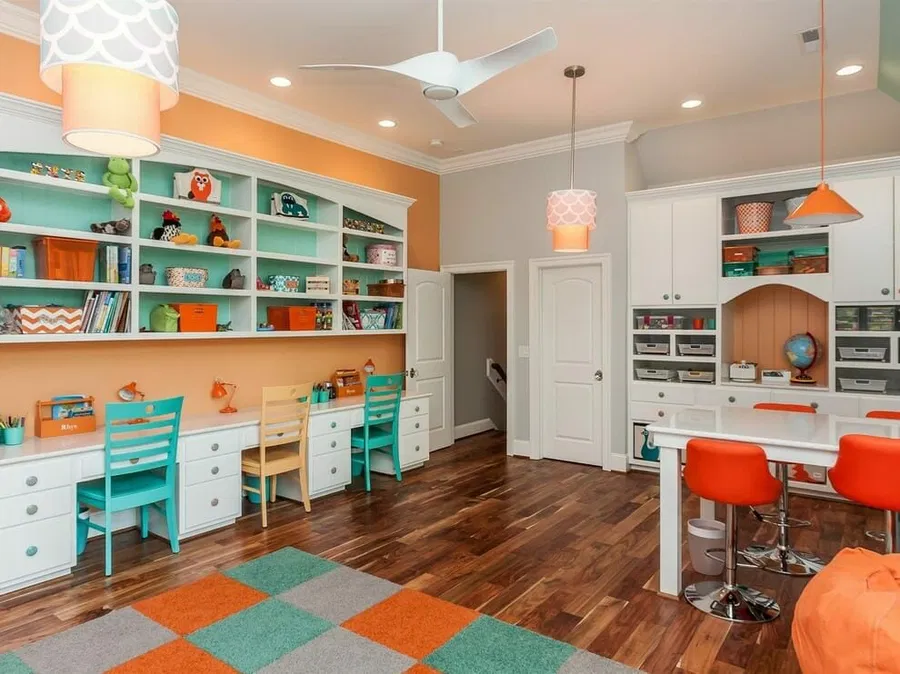
Creating a dedicated home classroom is key to this success. A well-equipped space fosters focus, creativity, and routine, turning learning into an enjoyable adventure rather than a chore. It minimizes distractions, organizes materials for easy access, and signals to children that it’s “school time.” Whether you’re a seasoned homeschooler or just starting, investing in the right supplies can transform your home into an inspiring educational hub. This guide will walk you through essential items, from basics to tech, with tips to stay organized and budget-savvy. Let’s build a space where curiosity thrives!
read also : The Ultimate College Dorm Essentials List for 2026: Everything You Need
Core Essentials: Whiteboards, Planners, Comfortable Seating, and Organizers
Starting with the fundamentals, core essentials form the backbone of your home classroom. These items promote daily structure and engagement, ensuring smooth lessons for all ages.
Whiteboards and Markers
Whiteboards are indispensable for interactive teaching. In 2026, opt for personal-sized double-sided whiteboards (around $10-15 each) that kids can use for math problems, spelling practice, or brainstorming. Pair them with fine-tip dry-erase markers in multiple colors for added fun—brands like Expo offer low-odor options that last longer. For group sessions, a large wall-mounted whiteboard ($30-50) allows for family discussions or timeline drawings.

Planners and Scheduling Tools Best Homeschool Supplies 2026
A good homeschool planner keeps everything on track. Look for customizable ones like the Treehouse Schoolhouse planner ($20-30), which accommodates multiple children and includes sections for lesson plans, goals, and reflections. Digital alternatives, such as apps integrated with AI for adaptive scheduling, are rising in popularity—try free tools like Khan Academy’s progress trackers to sync with your physical planner.
Comfortable Seating
Comfort is crucial for long learning sessions. Ergonomic chairs with adjustable heights ($50-100) prevent back strain, especially for growing kids. Bean bags or floor cushions ($20-40) add flexibility for reading circles or relaxed activities. Consider modular seating that can rearrange for group work, aligning with 2026’s emphasis on collaborative, project-based learning.
Organizers
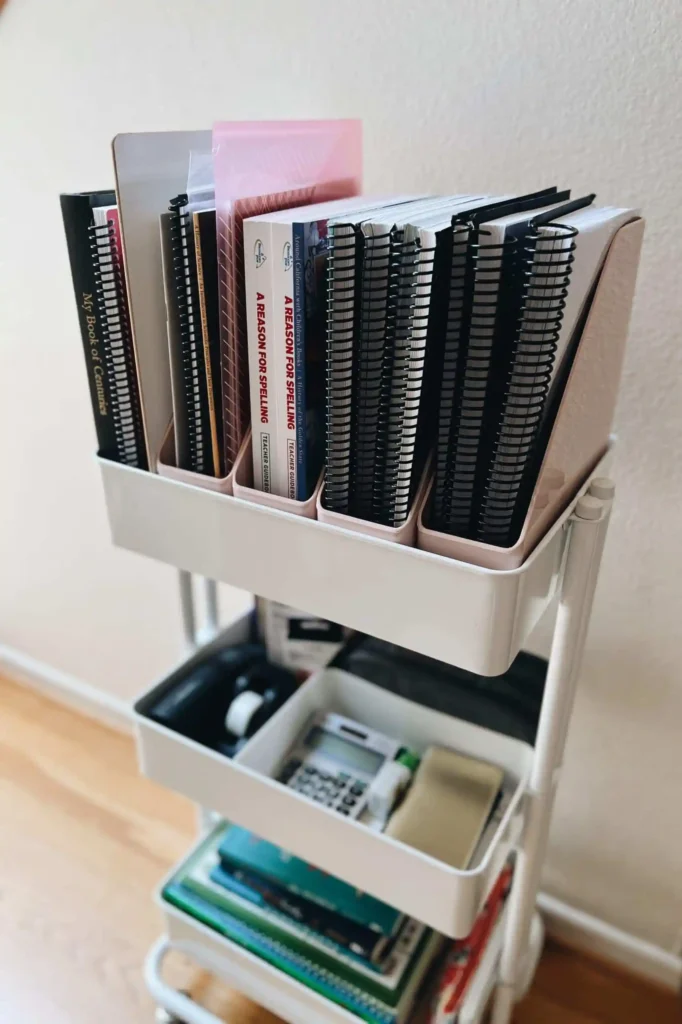
Keep clutter at bay with simple organizers. Clipboards ($5 each) provide portable workspaces, while 3-ring binders ($5-10) store worksheets and completed assignments. Use clear envelope dividers for quick access to daily materials. These basics ensure your space stays inviting and efficient.
Curriculum Support Tools: Tablet Stands, Educational Posters, and Science Kits
To enhance curriculum delivery, support tools bring lessons to life. With 2026’s focus on hands-on and digital-hybrid learning, these items bridge theory and practice.
Tablet Stands
As online platforms like Time4Learning or Khan Academy become staples, a sturdy tablet stand ($15-25) is essential. Adjustable models with anti-slip grips hold devices at eye level, reducing neck strain during virtual lessons or video tutorials. Look for ones with built-in charging ports for seamless tech integration.
Educational Posters
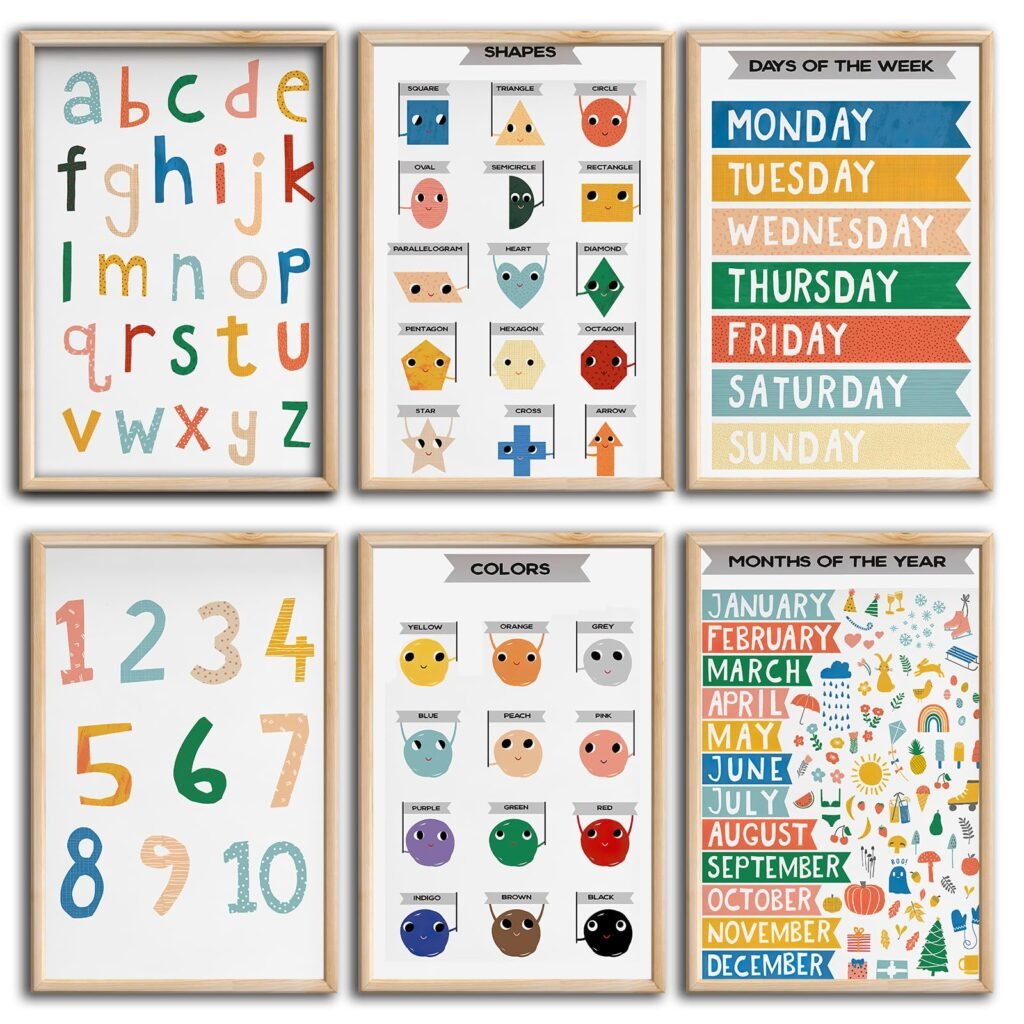
Visual aids spark interest—choose Cavalini posters ($10-20) featuring world maps, floral prints, or seasonal themes for easy swapping. For subjects like geography or science, laminated educational posters on topics like the solar system or human anatomy ($10-15) serve as quick references. Hang them with poster hangers for a dynamic wall display that evolves with your curriculum.
Science Kits
Hands-on science is a homeschool highlight. Mystery Science kits ($99 annual subscription) offer inquiry-based experiments with minimal prep, aligning with NGSS standards. For broader exploration, all-in-one kits like those from BookShark ($500-900 for full-year packages) include materials for biology, chemistry, and physics projects. These encourage critical thinking and real-world application, perfect for project-based trends in 2026.
Incorporate tools like sandpaper letters or moveable alphabets ($20-30) for language arts, especially in Montessori-inspired setups like Multisori, to make abstract concepts tangible.
Organization for Parents: Rolling Carts, Storage Bins, and Label Makers
Parents juggle multiple roles in homeschooling, so organization tools are lifesavers. These keep supplies accessible without overwhelming your space.
Rolling Carts
A rolling cart ($30-50) with drawers or shelves is ideal for mobile storage. Stock it with art supplies, math manipulatives, or daily essentials—wheel it between rooms for flexibility. Models with locking wheels ensure stability during use.
Storage Bins
Transparent storage bins ($10-20 per set) categorize items like craft materials or books. Use stackable ones for vertical space-saving in small homes. Craft storage boxes or baskets hold smaller items, preventing lost pieces and maintaining order.
Label Makers
A label maker ($20-30), like Brother’s portable models, adds professionalism. Label bins, shelves, and jars for quick identification—think “Math Tools” or “Art Supplies.” This system saves time and teaches kids responsibility by involving them in organization.
Pair these with a paper organizer for cardstock and printer paper, ensuring you’re always ready for impromptu activities.
Tech for Learning: Reliable Printers, Noise-Canceling Headphones, and High-Speed Internet Tips
Technology is transforming homeschooling in 2026, with AI tools and virtual resources at the forefront. Equip your setup for seamless digital integration.
Reliable Printers
A high-quality printer is a must for worksheets and resources. EcoTank models from Epson ($200-300) offer low-cost ink refills, perfect for high-volume printing. All-in-one laser printers handle scanning and copying too, supporting curricula like The Good and The Beautiful.
Noise-Canceling Headphones
For focused learning in shared spaces, noise-canceling headphones ($50-100) like Sony’s kids’ versions block distractions. They’re great for audiobooks, online classes, or independent work, especially in multi-child homes.
High-Speed Internet Tips
Reliable internet powers everything from virtual labs to adaptive software. Aim for at least 100 Mbps speeds—check providers for fiber options. Use Wi-Fi extenders ($30-50) for consistent coverage. For security, install family-friendly routers with parental controls. Pro tip: Bundle with educational discounts from services like Khan Academy for cost savings.
Incorporate a Bluetooth speaker ($20-40) for group audio lessons or music integration.
Budget Tips: How to Find Bulk Deals on Basic Supplies Like Paper, Pencils, and Glue
Homeschooling doesn’t have to break the bank—average supply costs range from $100-1,000 annually. Here are smart strategies to stretch your dollars.
- Take Inventory First: Before shopping, list what you have. Reuse notebooks, pencils, and art supplies from previous years to avoid duplicates.
- Buy in Bulk: Shop warehouse clubs like Costco or online at Amazon for deals on paper (500-sheet reams for $5-10), pencils (packs of 100 for $10), and glue sticks (dozens for under $5). Look for back-to-school sales in late summer.
- Utilize Free Resources: Leverage library cards for books, audiobooks, and programs—many offer borrowing passes for museums. Free platforms like Khan Academy provide core subjects without cost.
- Purchase Used or Gently Worn: Sites like Facebook Marketplace or homeschool co-ops sell curricula and supplies at 50-70% off. Opt for non-consumable items like Singapore Math textbooks that last multiple years.
- DIY and Repurpose: Make your own flashcards or use household items for science experiments. Join swap groups for trading resources.
- Seek Discounts and Scholarships: Many curricula, like Multisori, offer scholarships or flexible payments. Watch for educator discounts at Staples or Target.
By planning ahead, you can focus on quality without overspending, leaving room for fun extras.
Conclusion: Encouraging Parents to Create a Fun and Flexible Learning Environment
Setting up your 2026 home classroom is an exciting step toward empowered education. With the right supplies—from whiteboards and science kits to printers and organizers—you’re equipping your family for success in a world of AI-driven, personalized learning. Remember, flexibility is key: adapt your space as needs evolve, incorporating trends like project-based activities for engagement.
Stay encouraging—homeschooling is about joy and growth, not perfection. Involve your kids in setup to foster ownership, and celebrate small wins. Whether on a budget or splurging on tech, your dedicated space will nurture curious, confident learners. Here’s to a fantastic year ahead!
(Word count: 1,248)
2 thoughts on “The Best Homeschool Supplies 2026: Setting Up Your Home Classroom for Success”